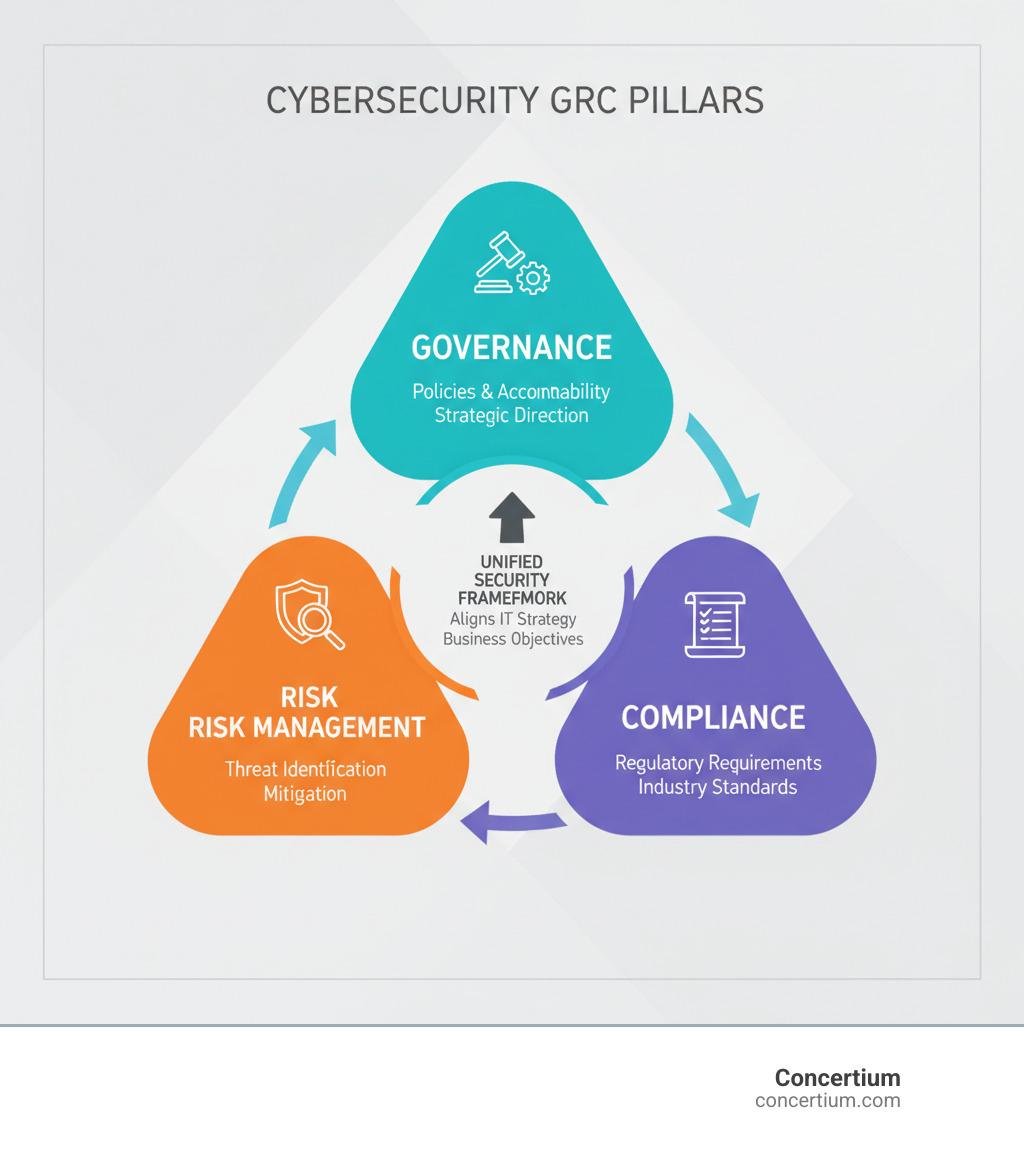
For many organizations, cybersecurity compliance has traditionally focused on policies, security controls, assessments and audits.
The EU Cyber Resilience Act introduces another dimension:
How quickly can your organization demonstrate that it identified and reported a cybersecurity problem?
The EU Cyber Resilience Act (CRA), Regulation (EU) 2024/2847, establishes cybersecurity requirements for products with digital elements and creates specific reporting obligations for manufacturers.
Compliance Is Becoming Operational
One of the most significant requirements is the obligation to report actively exploited vulnerabilities.
The timeline is straightforward:
24 hours: Early warning
72 hours: Vulnerability notification
14 days after a corrective or mitigating measure becomes available: Final report
For organizations, however, compliance is not simply about knowing these numbers.
The real challenge is building the organizational capability to meet them.
Five Areas Organizations Should Address
1. Governance
Organizations should establish clear ownership for CRA compliance.
Questions should include:
- Who determines whether a vulnerability is actively exploited?
- Who has authority to trigger regulatory reporting?
- Who communicates with regulators?
- Who approves external communications?
- Who owns remediation?
- Who maintains evidence?
Without clearly defined decision rights, organizations may lose valuable time during an incident.
2. Vulnerability Management
The vulnerability management program should be capable of identifying vulnerabilities across the entire product lifecycle.
This includes consideration of:
- Proprietary software
- Open-source components
- Third-party libraries
- Cloud dependencies
- Firmware
- APIs
- Operating systems
- Software dependencies
The objective should not simply be vulnerability closure.
Organizations must also determine whether vulnerabilities are being actively exploited.
3. Incident Response
The CRA reporting process should be integrated into the organization’s existing incident-response framework.
Security teams should have predefined escalation criteria and reporting templates.
The 24-hour requirement means organizations cannot afford to spend the first several hours debating ownership or approval processes.
4. Evidence and Auditability
Regulatory compliance requires evidence.
Organizations should preserve records demonstrating:
- Discovery
- Validation
- Risk assessment
- Decision-making
- Regulatory notification
- Mitigation
- Corrective action
- Communication
- Final reporting
The ability to demonstrate what happened, when it happened and who made the decision can be just as important as the technical remediation itself.
5. Executive Awareness
Senior leadership should understand that a vulnerability can become a regulatory event.
Executives therefore need visibility into:
- Significant product vulnerabilities
- Regulatory reporting deadlines
- Customer impact
- Business impact
- Remediation status
- Regulatory communications
- Residual risk
Cybersecurity, Legal, Risk, Compliance and Product teams should operate from a common response framework.
A Practical CRA Readiness Model
Organizations can assess their readiness using five questions:
1. Detect
Can we identify vulnerabilities quickly?
2. Decide
Can we determine whether a vulnerability is actively exploited?
3. Report
Can we submit the required notification within 24 and 72 hours?
4. Remediate
Can we rapidly develop and distribute corrective or mitigating measures?
5. Prove
Can we demonstrate compliance through reliable evidence?
If the answer to any of these questions is “no,” there is potentially a significant compliance gap.
The Bigger Message
The CRA is not simply another cybersecurity regulation.
It represents a broader regulatory trend toward security-by-design, lifecycle accountability and measurable cyber resilience.
Organizations should therefore avoid treating CRA compliance as a documentation exercise.
The better approach is to build CRA requirements into existing:
- GRC programs
- Vulnerability management
- Secure SDLC
- Product security
- Incident response
- Third-party risk management
- Change management
- Regulatory reporting
- Business continuity processes
The organizations that integrate these capabilities now will be far better positioned when a real vulnerability triggers the regulatory clock.
References
- European Union, Regulation (EU) 2024/2847 — Cyber Resilience Act, particularly Article 14 and Article 16.
- ENISA, CRA Single Reporting Platform — Frequently Asked Questions, updated September 4, 2026.
- ENISA, Threats and Incidents, overview of EU cybersecurity incident reporting.